
Agriculture Equipment Loan: Financing Tractors, Harvesters and Essential Machinery
- August 14, 2026
- Posted by: BLS
- Categories: Agriculture Loan, Loan
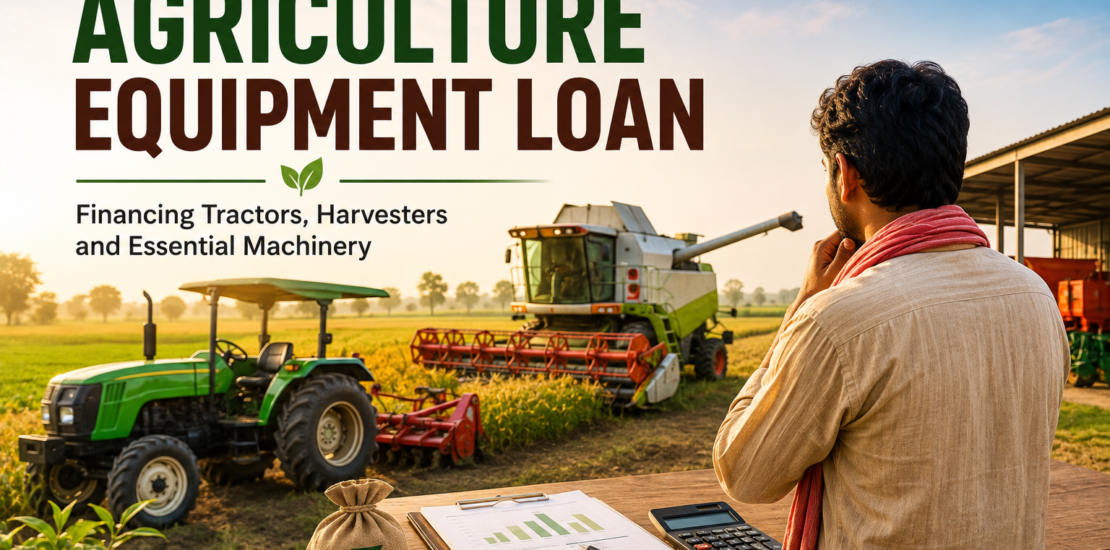
Modern farming requires more than land, seeds, and hard work. Farmers increasingly depend on tractors, harvesters, irrigation systems, tillers, sprayers, and other machinery to complete important agricultural activities efficiently.
However, purchasing farming equipment can require a significant amount of capital. For many farmers, paying the entire cost from available savings may not be practical, especially when money is also required for seeds, fertilizers, labour, irrigation, maintenance, and other seasonal expenses.
An Agriculture Equipment Loan may help eligible farmers and agricultural businesses finance essential machinery while managing their available cash flow more effectively.
Before choosing financing, it is important to understand which equipment you need, how it can improve your farming operations, and whether the repayment fits your expected income. Read More: Expanding a Retail Store? How Financing Can Support Your Next Step
Why Is Agricultural Equipment Important?
Agriculture has become increasingly dependent on machinery to improve efficiency and manage larger areas of farmland.
Equipment can help reduce manual labour, save time, improve productivity, and allow farmers to complete important activities within the required agricultural season.
For example, a tractor can help with ploughing and land preparation, while a harvester can reduce the time and labour required during harvesting.
The right equipment can therefore become an important investment in the long term development of a farm.
What Can an Agriculture Equipment Loan Help Finance?
The exact equipment covered depends on the financing product and lender terms. However, agricultural equipment financing may be considered for several types of machinery.
Tractors
Tractors are among the most commonly used pieces of agricultural machinery.
They can support activities such as land preparation, ploughing, transportation, sowing, and other farm operations.
A suitable tractor can be particularly valuable for farmers managing larger areas of land or multiple agricultural activities.
Harvesters
Harvesting can be labour intensive and time sensitive.
Harvesters can help farmers complete harvesting operations more efficiently and reduce dependence on manual labour during busy periods.
For farms growing crops that require specialised harvesting equipment, investing in suitable machinery can improve operational efficiency.
Tillers and Cultivators
Small and medium sized farms may require equipment for soil preparation and cultivation.
Power tillers, cultivators, and similar machinery can assist with preparing agricultural land and maintaining soil conditions.
The appropriate equipment depends on the size of the farm, crop type, soil conditions, and farming practices.
Irrigation Equipment
Water management is an important part of agricultural operations.
Farmers may require pumps, irrigation systems, and related equipment to support efficient water distribution.
Investing in suitable irrigation equipment can help improve water management and support consistent farming operations.
Sprayers
Crop protection may require specialised spraying equipment.
Agricultural sprayers can help farmers apply pesticides, fertilizers, and other treatments more efficiently.
The type of sprayer required can vary according to the crop, farm size, and application requirements. Learn More: One Destination for Every Loan You Need
Why Consider Financing Instead of Paying the Full Cost?
Purchasing machinery entirely from savings can significantly reduce the cash available for other farming requirements.
After buying equipment, farmers may still need funds for seeds, fertilizers, labour, fuel, repairs, irrigation, transportation, and other seasonal expenses.
Financing may allow eligible borrowers to spread the equipment cost over a repayment period instead of making the entire payment upfront.
This can help preserve working capital for other important agricultural expenses.
Calculate the Real Cost of the Equipment
Before purchasing machinery, consider more than the initial purchase price.
Additional costs may include
- Fuel
- Maintenance
- Insurance
- Repairs
- Registration
- Storage
- Operator expenses
- Replacement parts
Understanding the complete cost of ownership can help you determine whether the equipment is financially suitable for your farming operation.
Choose Equipment Based on Your Actual Requirement
More expensive machinery is not always the best choice.
The right equipment depends on several factors, including
- Farm size
- Type of crops
- Soil conditions
- Seasonal requirements
- Frequency of use
- Labour availability
- Expected productivity improvement
A farmer managing a smaller operation may not need the same equipment as a large agricultural business.
Choose machinery that matches your actual requirements rather than purchasing equipment simply because it has additional features. Learn More: Loan Against Property in India
Consider Your Expected Return
Agricultural equipment should ideally contribute to better productivity or lower operating costs.
Before purchasing machinery, consider how frequently it will be used and how much it could potentially save in labour, time, or operational expenses.
For example, equipment that can be used throughout several agricultural seasons may provide greater long term value than machinery required for only occasional use.
A clear understanding of expected benefits can help you make a more informed financing decision.
Check Your Repayment Capacity
Taking financing means committing to regular repayments.
Before applying for an Agriculture Equipment Loan, review your expected agricultural income and existing financial responsibilities.
Consider seasonal fluctuations carefully because farming income may not be consistent throughout the year.
Your repayment plan should be realistic and should not leave insufficient funds for essential farm expenses.
Keep Some Working Capital Available
One of the biggest mistakes farmers can make is using all available funds to purchase machinery.
Agricultural operations require continuous spending.
You may need money for
- Seeds
- Fertilizers
- Labour
- Fuel
- Irrigation
- Crop protection
- Transportation
- Repairs
Keeping sufficient working capital available can help you manage these expenses after purchasing the equipment.
Compare Financing Options
Before choosing a financing option, compare the applicable terms carefully.
Important factors may include
- Interest rate
- Loan amount
- Repayment period
- Processing charges
- Eligibility requirements
- Documentation
- Prepayment conditions
- Other applicable charges
Understanding these factors can help you estimate the overall cost of borrowing.
Keep Your Documents Ready
Documentation requirements can vary depending on the lender and financing product.
Applicants may be asked to provide identity documents, address information, agricultural or business related documents, bank statements, income details, equipment quotations, or other supporting information.
Keeping relevant documents organised can make the application process more convenient.
New Equipment or Used Equipment?
Farmers may also consider whether to purchase new or used machinery.
New equipment may offer the latest features and manufacturer support, while used machinery may have a lower purchase cost.
However, used equipment should be carefully inspected before purchase.
Consider its age, condition, maintenance history, expected remaining life, availability of spare parts, and repair requirements.
The cheaper option is not always the more economical option in the long term. Read More: Financial Planning Tips for Newly Married Couples
How Better Loan Solutions Can Help
At Better Loan Solutions, we understand that financing requirements can vary depending on the borrower’s needs and circumstances.
If you are considering agricultural equipment financing, it is important to understand your funding requirement, repayment capacity, documentation, and applicable financing terms before making a decision.
Our team can help eligible customers explore suitable financing options based on their requirements and financial circumstances.
Conclusion
Agricultural machinery can play an important role in improving farming efficiency and managing modern agricultural operations.
From tractors and harvesters to irrigation equipment, tillers, cultivators, and sprayers, the right machinery can help farmers save time, manage labour requirements, and improve productivity.
However, purchasing agricultural equipment requires careful financial planning.
An Agriculture Equipment Loan may help eligible farmers finance essential machinery while keeping more of their available funds for seeds, labour, fertilizers, fuel, irrigation, and other operating expenses.
Before borrowing, calculate the complete cost of the equipment, understand how frequently it will be used, estimate its potential benefits, compare financing terms, and choose a repayment structure that fits your financial situation.
With careful planning, the right agricultural equipment can become a valuable long term investment in a more efficient and productive farming operation.
Frequently Asked Questions
What is an Agriculture Equipment Loan?
An Agriculture Equipment Loan is financing that may help eligible borrowers purchase agricultural machinery and equipment, subject to the applicable lender terms and eligibility requirements.
What equipment can be purchased through agricultural equipment financing?
Depending on the financing option, equipment may include tractors, harvesters, tillers, cultivators, irrigation equipment, sprayers, and other agricultural machinery.
Can I finance a tractor through an Agriculture Equipment Loan?
Tractors are commonly financed through agricultural equipment and tractor financing products. Eligibility, loan amount, repayment period, and other conditions depend on the applicable lender and financing option.
Should I buy new or used agricultural machinery?
The decision depends on your budget, farming requirements, equipment condition, maintenance history, expected usage, and long term operating costs.
How much Agriculture Equipment Loan should I take?
The amount should be based on the actual cost of the equipment and your repayment capacity. Avoid borrowing more than you reasonably need or can comfortably repay.