
Starting a Cloud Kitchen? Here’s What You May Need to Finance
- August 10, 2026
- Posted by: BLS
- Categories: Business Loan, Loan
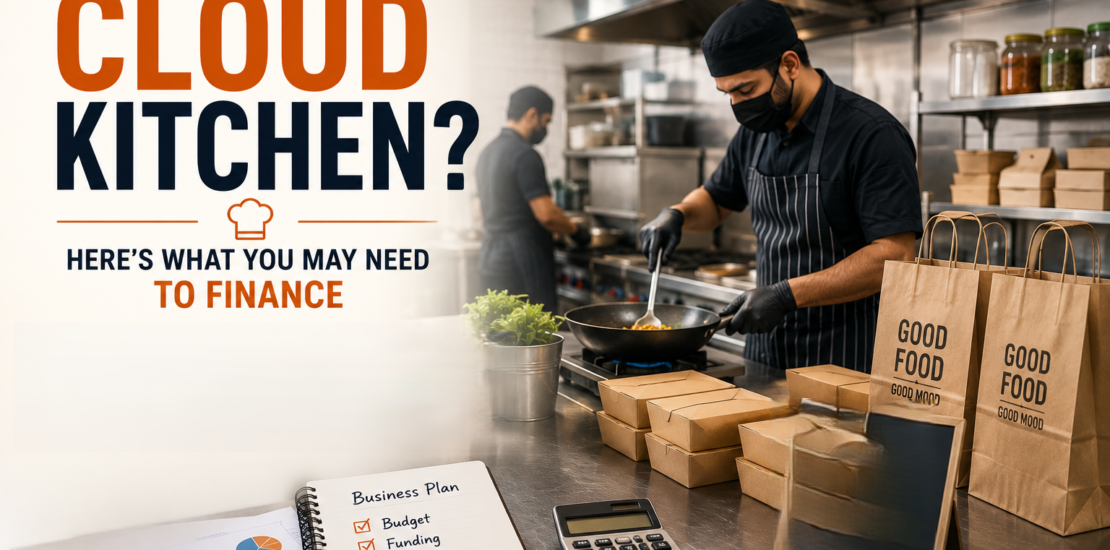
Starting a cloud kitchen can be an exciting way to enter the food business without investing in a traditional dine in restaurant. With online food delivery becoming an important part of how people order meals, a well planned cloud kitchen can serve customers from a relatively focused location while keeping the business model flexible.
However, starting a cloud kitchen still requires careful financial planning. You may need funds for kitchen equipment, rental space, ingredients, packaging, technology, staff, licenses, branding, and marketing.
A Cloud Kitchen Loan may help eligible business owners manage these startup and operating expenses while keeping their available savings available for other business needs.
What Is a Cloud Kitchen?
A cloud kitchen is a food business that primarily prepares meals for delivery rather than serving customers in a traditional restaurant dining area.
The business may operate through online food delivery platforms, its own website, social media channels, or a combination of these options.
Because there is generally no requirement for a large dining area, entrepreneurs can focus their investment on the kitchen, food preparation, packaging, delivery operations, and customer experience.
Why Financial Planning Matters
A common mistake among new entrepreneurs is focusing only on the cost of kitchen equipment.
In reality, several expenses can appear before the first order is delivered.
You may need money for
- Kitchen setup
- Cooking equipment
- Rental deposit
- Ingredients
- Packaging
- Staff salaries
- Licenses and registrations
- Delivery arrangements
- Technology
- Branding
- Digital marketing
- Emergency working capital
Planning these expenses in advance can help you understand how much funding your business may actually require.
Kitchen Equipment and Setup
Kitchen equipment is likely to be one of the biggest initial investments.
Depending on your menu, you may need commercial cooking equipment, refrigerators, freezers, preparation counters, storage units, ovens, mixers, exhaust systems, utensils, and other essential items.
Buying reliable equipment can support consistent food preparation and help your kitchen handle increasing order volumes.
A business loan may help finance eligible equipment and setup costs instead of requiring you to use all your personal savings at once.
Rental Deposit and Kitchen Space
Although a cloud kitchen does not need a customer dining area, you still need a suitable place to prepare and store food.
Depending on the location, you may need to pay
- Security deposit
- Advance rent
- Interior setup costs
- Electrical work
- Plumbing
- Ventilation
- Storage arrangements
Location should be selected carefully. A kitchen closer to your target customers may help improve delivery times and operational efficiency.
Initial Inventory
Food businesses require regular supplies.
Before opening, you may need to purchase ingredients, cooking supplies, beverages, packaging materials, cleaning products, and other essentials.
You should also maintain sufficient working capital because sales may take time to become consistent.
Having adequate funds for inventory can help prevent disruptions during the early stages of the business.
Packaging and Branding
Packaging is an important part of a delivery based food business.
Customers experience your brand through the food, packaging, presentation, and delivery process.
You may need branded food containers, bags, labels, stickers, menus, and other packaging materials.
Professional packaging can help create a consistent brand image while protecting food during transportation.
Technology and Online Ordering
A cloud kitchen depends heavily on technology.
You may need funds for
- A website
- Online ordering systems
- Billing software
- Point of sale technology
- Kitchen order management
- Internet connectivity
- Digital payment systems
You may also need professional food photography and digital assets for your online menus.
Technology can make order management easier as your customer base grows.
Staff and Operating Expenses
Depending on the size of your operation, you may need cooks, kitchen assistants, cleaners, supervisors, or administrative support.
Employee salaries and other operating costs need to be considered even when sales are still developing.
It is therefore important to maintain enough working capital to cover regular expenses during the initial months.
Licenses and Business Requirements
Before starting operations, understand the registrations, permissions, and food related requirements applicable to your business and location.
The exact requirements can vary depending on your business structure, location, and operating model.
Budgeting for professional assistance, registrations, and other setup requirements can help prevent unexpected expenses later.
Marketing Your Cloud Kitchen
A great menu still needs customers.
Your initial marketing budget may cover social media promotion, online advertising, food photography, promotional campaigns, website development, and other customer acquisition activities.
You should create a realistic marketing plan instead of spending your entire budget immediately.
Track which marketing channels generate actual orders and focus your spending on activities that support sustainable growth.
How Much Should You Borrow?
The right loan amount depends on your actual business requirements.
Start by preparing a detailed budget covering your initial setup and expected operating expenses.
Separate your costs into two groups.
Initial expenses may include equipment, rental deposit, setup, licenses, branding, and technology.
Ongoing expenses may include rent, ingredients, salaries, packaging, utilities, marketing, and delivery related costs.
Once you understand these expenses, you can determine how much funding you may need.
Avoid borrowing more than necessary because a larger loan can increase your repayment responsibility.
Choose an EMI Your Business Can Manage
Loan approval should not be the only consideration.
You also need to understand how the monthly repayment will affect your business cash flow.
Before choosing a loan amount and tenure, consider your expected monthly revenue, operating expenses, existing financial commitments, and possible fluctuations in sales.
A manageable EMI can give your business greater financial flexibility while you work toward building a stable customer base.
Build an Emergency Reserve
New businesses can experience unexpected expenses.
Equipment may require repairs, ingredient prices can change, orders may fluctuate, and additional marketing may become necessary.
Keeping some working capital available for unexpected situations can help you avoid financial pressure.
Your entire funding should not be committed to the initial setup.
How Better Loan Solutions Can Help
At Better Loan Solutions, we understand that every business has different financing requirements.
If you are planning to start a cloud kitchen, funding may be required for equipment, working capital, business setup, inventory, technology, or expansion.
Our team can help you explore suitable business financing options based on your requirements and financial situation.
Business owners can also explore financing for other industries and requirements, including retail businesses, manufacturing, pharmacies, gyms, dental clinics, hotels, textile businesses, and commercial vehicles.
Conclusion
Starting a cloud kitchen can offer entrepreneurs an opportunity to enter the food industry with a delivery focused business model. However, turning the idea into a sustainable business requires more than a good menu.
From kitchen equipment and rental costs to inventory, packaging, technology, staff, marketing, and working capital, several expenses need to be planned before opening your doors to customers.
A Cloud Kitchen Loan may help eligible entrepreneurs manage these expenses while preserving their personal savings for other priorities.
Before borrowing, prepare a detailed budget, understand your expected cash flow, calculate a comfortable EMI, and borrow only what your business genuinely needs.
Good financial planning at the beginning can give your cloud kitchen a stronger foundation for long term growth.
Frequently Asked Questions
Can I get a loan to start a cloud kitchen?
Eligible entrepreneurs may explore business financing options for expenses such as equipment, working capital, setup costs, inventory, and other business requirements. Approval depends on the lender’s eligibility criteria and assessment.
What can cloud kitchen financing be used for?
Depending on the financing option and lender terms, funds may be used for equipment, kitchen setup, inventory, technology, working capital, marketing, and business expansion.
How much should I borrow for a cloud kitchen?
The amount depends on your setup costs, working capital requirements, expected expenses, and repayment capacity. It is generally better to calculate your actual requirement before deciding the loan amount.
Is a cloud kitchen a good business idea?
A cloud kitchen can be an attractive business model for entrepreneurs who have a strong food concept, understand their target customers, manage costs carefully, and build an effective delivery and marketing strategy.
Can an existing cloud kitchen get financing for expansion?
An existing business may explore financing for additional equipment, increased inventory, technology upgrades, a larger kitchen, marketing, or expansion, subject to applicable eligibility requirements.